Both liposuction and abdominoplasty (tummy tuck) are premier body-contouring operations, but they address entirely distinct anatomical issues. A common misconception among patients consulting at Healthscapes Clinic in Haldwani is that liposuction can fix an overhanging apron of loose skin or a protruding belly after childbirth. Choosing the correct procedure depends on whether your primary concern is fat deposits, skin laxity, or separated abdominal muscles.
Comparing the Two Procedures
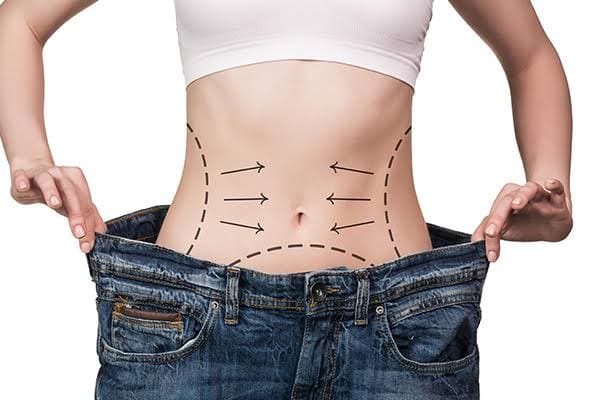
Liposuction targets localized subcutaneous fat beneath healthy, elastic skin. A tummy tuck removes excess redundant skin, tightens stretched abdominal musculature (diastasis recti), and repositions the umbilicus for a flat, taut midsection.
| Liposuction Alone | Full Tummy Tuck (Abdominoplasty) | |
|---|---|---|
| Primary Indication | Stubborn fat deposits with good skin elasticity | Loose overhang skin & separated muscles (diastasis) |
| Incision & Scars | Tiny 3–4 mm puncture marks, virtually invisible | Horizontal low bikini incision from hip to hip |
| Muscle Repair | No muscle tightening performed | Internal plication suturing of rectus abdominis muscles |
| Anesthesia Type | Local with sedation or general anesthesia | General anesthesia |
| Downtime | 3–5 days before returning to desk work | 10–14 days before returning to light office work |
What Is Diastasis Recti?
During pregnancy or substantial weight gain, the paired rectus abdominis ('six-pack') muscles stretch sideways, thinning the central linea alba connective tissue. Even with a low percentage of body fat, this structural separation allows internal organs to push forward, causing a persistent 'pooch' or dome shape. No amount of crunches or dieting can rejoin separated muscles — only surgical plication during a tummy tuck can restore the internal core corset.
Lipoabdominoplasty: Combining Both for Superior Results
In many patients, the most harmonious outcome is achieved through lipoabdominoplasty. By integrating circumferential liposuction of the flanks, love handles, and upper abdomen with surgical excision of lower lax skin, we sculpt an hourglass waistline while tightening the abdominal wall in a single, safe operative session.
Can liposuction tighten loose skin?
Liposuction removes fat cells but does not excise skin. While patients with youthful skin will experience modest skin contraction, patients with stretch marks or thin, lax skin may find that removing fat exacerbates sagging. In such cases, a tummy tuck is the indicated procedure.
Can I have children after a tummy tuck?
Yes, having children after a tummy tuck is physically safe. However, pregnancy will re-stretch the repaired abdominal wall and skin, compromising your surgical outcome. We strongly advise completing your family before investing in a tummy tuck.
Where is the tummy tuck scar placed?
The incision is positioned very low across the lower abdomen, designed to sit discreetly beneath standard bikini bottoms and low-rise undergarments.
How soon after C-section or normal delivery can I undergo surgery?
You should wait at least 6 months following childbirth, and at least 3 months after you have completely stopped breastfeeding, to allow hormonal levels and uterine tissues to fully involute.
Preferred Medical Sources & Clinical Citations
To uphold medical accuracy and scientific consensus, this clinical information is substantiated by peer-reviewed literature, plastic surgery journals, and certified surgical bodies.
- 1Abdominoplasty Safety and Patient Selection: Clinical Practice Guidelines— American Society of Plastic Surgeons (ASPS), 2023
- 2Comparative Outcomes of Liposuction versus Lipoadminoplasty in Body Contouring— Aesthetic Surgery Journal (ASJ), 2022