Tummy Tuck
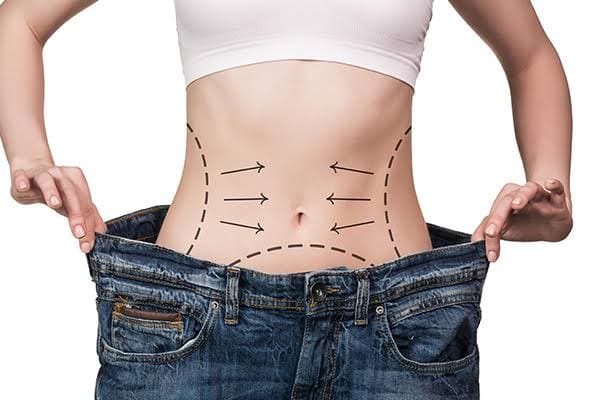
Abdominoplasty — removal of excess abdominal skin with repair of separated abdominal muscles.
What is Tummy Tuck?
A tummy tuck, or abdominoplasty, removes the excess skin and fat of the lower abdomen and — the part that actually defines the operation — repairs the separated abdominal muscles beneath it. That muscle repair, called plication, is what a tummy tuck does that nothing else can. Exercise can strengthen abdominal muscles but cannot bring them back together once they have separated.
A full tummy tuck runs hip to hip and includes repositioning of the navel; a mini tummy tuck addresses only the area below it and leaves the navel in place. Dr. Sarika Gangwar performs both at Chandan Hospital, Haldwani, and the choice between them is an anatomical one, decided by how much skin there is and how far the muscles have separated.
Why is Tummy Tuck Needed?
Pregnancy stretches the abdominal wall, and for many women the muscles do not return to their original position afterwards — a separation known as diastasis recti. Significant weight loss leaves behind skin that has lost the elasticity to contract. Both produce an abdomen that stays prominent and overhanging regardless of how much the person exercises or how little they eat, which is a common source of real frustration.
This is described in purely physical terms on purpose.
That said, a tummy tuck is major surgery with a long recovery and a permanent scar, undertaken for an elective reason. The decision should be made with the recovery fully understood, not only the result.
Who is Eligible?
- Excess abdominal skin, separated abdominal muscles, or both
- Weight stable for at least 6 months, and not planning further significant weight loss
- Pregnancies completed — a future pregnancy will stress the repair
- Non-smokers, or able to stop for at least 4 weeks before and after
- Good general health, with blood pressure and diabetes controlled
- Willing to accept a permanent scar low in the bikini line
Who is not a suitable candidate?
Tummy Tuck is not appropriate for everyone. You should not proceed, or should discuss alternatives, if any of the following apply:
- Planning a future pregnancy — the muscle repair is likely to be undone and the result lost
- Significant weight loss still expected, which would leave new loose skin
- Body mass index very high, where weight reduction first gives a better and safer result
- Uncontrolled hypertension, diabetes, or cardiac disease
- Current smoker who cannot stop — smoking is the leading cause of wound healing problems in abdominoplasty
- History of deep vein thrombosis or pulmonary embolism without haematology clearance
- Bleeding disorder, or anticoagulation that cannot be safely paused
- Expectation that the procedure is a weight-loss operation, or that the scar will be invisible
The Procedure — Step by Step
Assessment and Planning
The amount and quality of excess skin, the degree of muscle separation, and any hernia are assessed. Where a hernia is present it is repaired at the same time. Medical fitness for a longer operation is confirmed before a date is set.
Anaesthesia
General anaesthesia, with an anaesthetist present throughout. A full tummy tuck typically runs 3 to 5 hours, longer if combined with other procedures.
Incision
A hip-to-hip incision placed as low as possible, within the bikini line, so it sits below underwear and swimwear. Its length is determined by how much skin has to be removed.
Muscle Repair (Plication)
The separated rectus muscles are sutured back together in the midline, restoring the abdominal wall. This is the structural part of the operation and the reason a tummy tuck cannot be replicated by exercise. A hernia, if found, is repaired in the same step.
Skin Removal and Closure
The upper abdominal skin is drawn down and the excess removed. The navel is brought out through a new opening and repositioned to sit naturally. Drains are placed to remove fluid from the space created.
Post-operative Support
A compression garment is fitted, and you are mobilised early. Blood-thinning prophylaxis and compression reduce clot risk, which is a genuine concern given the length of the operation.
Recovery Timeline
Days 1–5
The most demanding part. Walking bent forward is normal and expected, because the abdominal skin has been pulled tight. An abdominal binder is worn continuously. Drains stay in place until output falls. Discomfort is managed with medication; the aim is to be up and walking several times a day, not to be comfortable.
Weeks 1–2
Drains usually removed within the first week. Most people can stand straighter by the end of this period. Desk work may be possible from around two weeks if recovery is uncomplicated. No lifting of anything heavier than a kettle.
Weeks 3–6
Swelling reduces substantially and the early result becomes visible. Driving can resume once you can move freely and are off strong painkillers. Return to gentle exercise around week 4 to 6, with clearance. Heavier lifting and core work wait longer.
Months 3–6
The abdomen continues to settle as residual swelling resolves. The scar is red and firm at this stage; it matures and fades over the following year. Numbness of the lower abdomen is common and returns gradually, sometimes taking a year or more, sometimes only partially.
Months 6–12
Final result. The scar continues to fade for up to two years. Weight stability over this period is what protects the outcome.
Expected Results
A flatter, tighter abdomen with the separated muscles repaired and the overhanging skin removed. The scar is permanent and runs hip to hip, positioned low enough to be covered by ordinary underwear.
Stretch marks on the removed skin are gone; those above the navel generally are not. Results are durable as long as weight stays stable and there is no future pregnancy — those two factors, not the surgery, determine whether the result lasts.
What are the risks and complications?
Every surgical procedure carries risk. These are the ones most relevant to tummy tuck, and how they are managed:
Wound healing problems
The most frequent complication. The long incision and the tension it is closed under make healing problems more likely than in most plastic surgery, especially in smokers, in people with diabetes, and where a large amount of skin was removed. Some wounds need dressing care for weeks; a minority need a return to theatre.
Deep vein thrombosis and pulmonary embolism
The most serious risk, and a genuine one here because of the length of the operation and reduced post-operative mobility. A clot in the leg veins can travel to the lungs. Compression, blood-thinning prophylaxis and early mobilisation are standard; a personal or family history of clotting changes the plan.
Seroma
Fluid collecting under the skin flap. Common enough that drains are placed routinely. Most resolve as drainage falls; some need to be aspirated with a needle afterwards.
Skin necrosis
A section of the skin flap, usually at the centre of the incision, failing to get enough blood supply. Much more likely in smokers. Ranges from a small area that heals with dressings to a larger area requiring revision.
Scarring
A hip-to-hip scar is the unavoidable trade for removing the skin. Positioned low and generally hidden, but permanent. It is red and firm for months before fading, and can widen or become raised, particularly in patients prone to keloid or hypertrophic scarring.
Persistent swelling and numbness
Swelling of the abdomen commonly takes three to six months to settle fully. Numbness over the lower abdomen is near-universal and typically improves over a year, though it may never return completely.
Contour irregularity or revision
Asymmetry, a dog-ear at the ends of the scar, or an unsatisfactory navel position may need a minor revision, usually planned after the swelling has settled rather than immediately.
Fat necrosis
Small areas of fat beneath the skin that lose their blood supply and harden, felt as firm lumps. Usually settles over months; occasionally needs to be removed.
Safety & Quality Assurance
A tummy tuck is major surgery. It is the longest operation in this practice's body-contouring range and carries the longest recovery. The main risks that make it different from liposuction are wound healing problems — which are substantially more common in smokers and in patients with diabetes — and venous thromboembolism, because of the operating time and the reduced mobility afterwards.
Both are managed deliberately: smoking and blood pressure are addressed before surgery rather than after, clot prophylaxis and early mobilisation are a fixed part of the pathway, and drain management reduces fluid collections.
Where a hernia is present it is repaired during the same operation. This operation is never urgent, so there is no reason to proceed before the medical background is properly controlled.
When should you seek urgent care?
Contact the clinic straight away, or attend an emergency department if the clinic is closed, if you notice any of the following after tummy tuck:
- Shortness of breath, chest pain, or coughing blood — possible pulmonary embolism; this is a medical emergency
- Calf pain, swelling or tenderness in one leg, or pain in the groin
- Fever above 38°C, or increasing redness, warmth or foul-smelling discharge from the wound
- Skin at the wound edges turning black, dusky or grey, or obvious separation of the wound
- Rapid swelling of the abdomen, or a sudden increase in drain output
- Feeling faint, passing very little urine, or persistent vomiting
Frequently Asked Questions about Tummy Tuck
The first week is the difficult part — you will walk bent forward, wear a binder continuously, and have drains in place. Most people stand upright by the end of two weeks and can return to desk work around two to four weeks. Gentle exercise resumes at four to six weeks with clearance. Swelling settles over three to six months, and the scar matures over a year or more.
Stretch marks on the skin that is removed go with it. Marks above the navel remain, because that skin is retained. It is a genuine but partial benefit rather than the purpose of the operation.
Yes, and it is common. The existing caesarean scar can often be incorporated into the new incision so that there is still only one scar, provided the old scar sits in a position that works for the planned skin removal. Previous abdominal surgery is discussed at the consultation.
You can, but the result will very likely be undone. The muscle repair is stressed by pregnancy and may separate again, and the skin will stretch. Standard advice is to complete your family first and have a tummy tuck afterwards, not before.
Yes, if you have weight to lose. Reaching a stable weight close to your long-term goal first gives a better result and a lower risk of complications. A tummy tuck is not a weight-loss procedure, and surgery performed at a weight that is then not maintained will not hold its result.
A mini tummy tuck addresses only the skin and muscle below the navel and leaves the navel in place. It suits a small amount of lower-abdominal looseness. A full tummy tuck addresses the whole abdomen, includes muscle repair above and below the navel, and repositions the navel. The choice follows from examining how much skin there is and how far the muscles have separated, not from preference.
Yes — liposuction of the flanks or upper abdomen is often added to improve the overall contour and smooth the transition at the edges. It lengthens the operation and adds to recovery, so it is planned for rather than added casually.
Related Procedures You May Be Interested In

Liposuction
Surgical removal of stubborn fat from specific areas to change body shape — not a weight-loss treatment.
Mommy Makeover
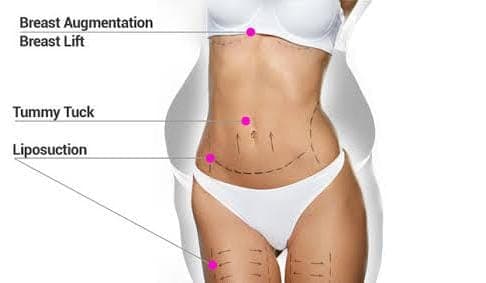
Restore your pre-pregnancy body with a customized combination of breast and body procedures.
Body Lift
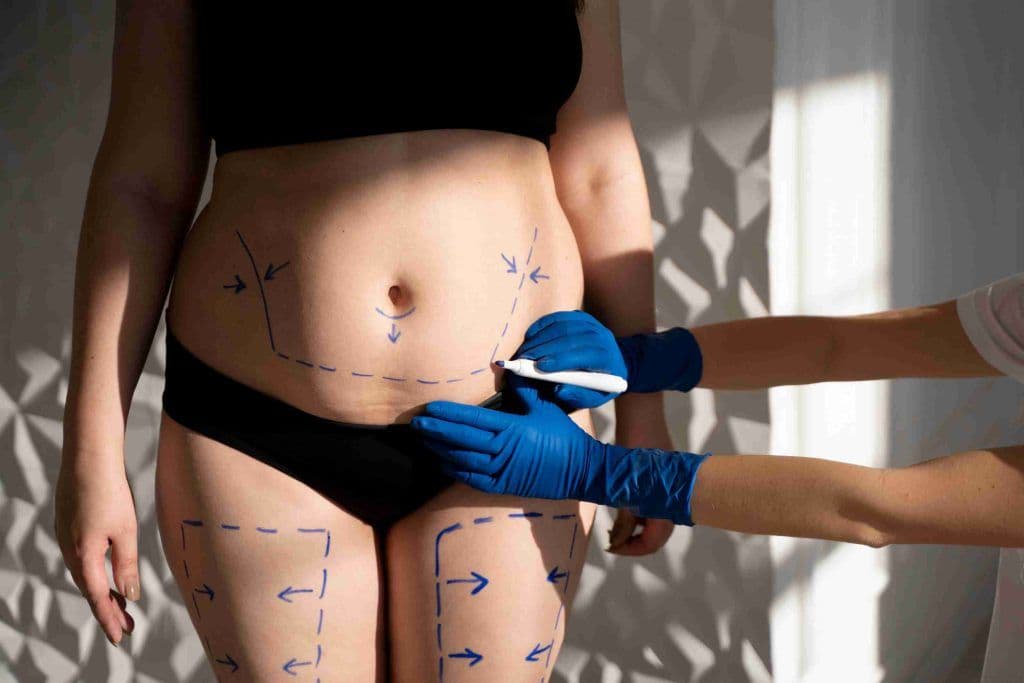
Remove excess sagging skin from the abdomen, thighs, and buttocks after major weight loss.
Explore More
Browse All Our Services
Dr. Sarika Gangwar offers a comprehensive range of plastic and cosmetic surgery procedures in Haldwani, Uttarakhand.
View All ServicesInterested in Tummy Tuck?
Book a private, no-obligation consultation with Dr. Sarika Gangwar to discuss your goals and learn what's possible.