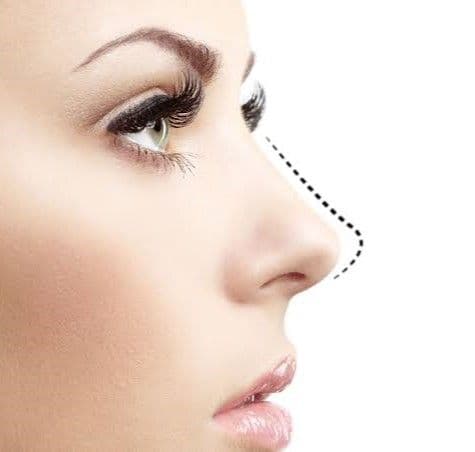
Undergoing rhinoplasty (nose reshaping surgery) is both an artistic and surgical journey. While modern surgical techniques minimize discomfort, healing requires patience and strict adherence to post-operative instructions. Most patients are pleasantly surprised that rhinoplasty involves very little sharp pain; instead, the primary experience is nasal congestion similar to a severe head cold.
The Week-by-Week Healing Timeline
Understanding the milestones of healing helps alleviate anxiety during the early phases when temporary swelling and bruising are most pronounced.
| Expected Symptoms | Activity Level | Work & Social Status | |
|---|---|---|---|
| Days 1–3 | Peak swelling, nasal congestion, mild bruising | Strict bed rest with head elevated 30–45° | Home rest only |
| Day 7 | External nasal splint and fine sutures removed | Light indoor walking permitted | Comfortable with close family |
| Weeks 2–3 | 80% of visible bruising resolved, breathing improves | Brisk walking; no heavy lifting or sports | Return to office desk work |
| Month 2–3 | Subtle nasal profile refinements emerging | Gym workouts and non-contact exercise allowed | Fully normal social appearances |
| Month 12 | Final refinement of the nasal tip; structural maturity | Unrestricted activities | Permanent definitive result |
Managing Swelling in Uttarakhand's Changing Climate
Patients travelling to Haldwani from higher altitude regions across Kumaun (such as Nainital, Almora, or Ranikhet) should note that cold, dry mountain air can dry out the nasal mucosa. We recommend using sterile saline nasal sprays every 2 to 3 hours to keep internal passages moisturized and prevent crusting. Never blow your nose forcefully during the first three weeks; if you need to sneeze, do so with your mouth wide open to divert air pressure away from delicate nasal cartilage.
Critical Rules for Uneventful Recovery
Do not wear eyeglasses or heavy sunglasses that rest on the nasal bridge for at least 6 weeks unless taped to the forehead. Sleep strictly on your back with 2 pillows beneath your head to prevent asymmetric fluid pooling. Avoid smoking and alcohol, as nicotine severely constricts micro-vascular blood supply, impairing skin and cartilage graft survival.
How painful is rhinoplasty recovery?
Most patients report a pain level between 2 and 4 out of 10. The sensation is predominantly fullness and stuffiness rather than acute pain, and it is readily controlled with prescribed oral analgesics for the first 48 to 72 hours.
When can I blow my nose after rhinoplasty?
You must avoid blowing your nose for at least 3 weeks following surgery. Blowing creates intense pneumatic pressure that can disrupt sutures, dislodge internal grafts, or trigger acute bleeding.
Why does the nasal tip remain firm or swollen the longest?
The skin over the lower third of the nose (nasal tip and supratip) contains a high density of sebaceous glands and thicker subcutaneous tissue. Gravity also causes fluid to settle in the tip, taking up to 12 months for microscopic lymphatic channels to fully regenerate.
When can I resume gym workouts and sports?
Light walking is encouraged from Day 2. Moderate cardiovascular exercise can be resumed at 4 weeks, but heavy weight training, intense aerobics, and contact sports must be paused for 6 to 8 weeks.
Preferred Medical Sources & Clinical Citations
To uphold medical accuracy and scientific consensus, this clinical information is substantiated by peer-reviewed literature, plastic surgery journals, and certified surgical bodies.
- 1Open and Closed Rhinoplasty: Evidence-Based Healing & Morbidity— Plastic and Reconstructive Surgery (PRS Journal - ASPS), 2023
- 2International Consensus on Postoperative Care in Aesthetic Rhinoplasty— International Society of Aesthetic Plastic Surgery (ISAPS), 2022
- 3Rhinoplasty: Clinical Anatomy and Long-Term Edema Resolution— National Center for Biotechnology Information (NCBI / PubMed), 2021