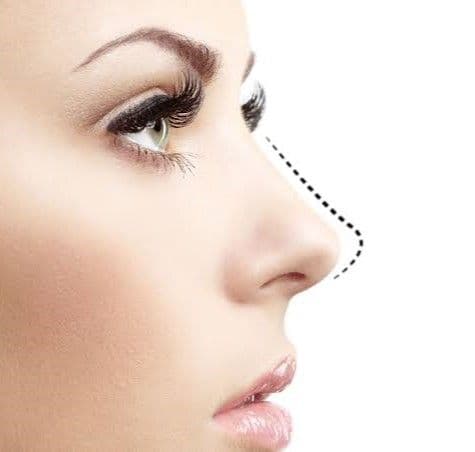
Rhinoplasty (Nose Job)
Nose reshaping surgery for proportion, symmetry and — where needed — improved nasal airflow.
What is Rhinoplasty (Nose Job)?
Rhinoplasty changes the shape of the nose by altering its bone and cartilage framework. It is performed for two distinct reasons, and the distinction matters when planning surgery.
Cosmetic rhinoplasty changes appearance: a dorsal hump, a wide or bulbous tip, an asymmetrical bridge. Functional rhinoplasty corrects a structural cause of obstructed breathing, most often a deviated nasal septum or collapsed nasal valves. Many patients have both problems, and they can usually be addressed in a single operation.
Dr. Sarika Gangwar performs rhinoplasty at Chandan Hospital, Haldwani, using both open and closed approaches depending on the structures that need to be changed.
Why is Rhinoplasty (Nose Job) Needed?
The nose sits at the centre of the face, so small variations in its width, length or tip projection read disproportionately in photographs and in person. That is the cosmetic reason people seek surgery.
The functional reason is separate and often more pressing: a deviated septum or narrow internal valve forces breathing through the mouth, disturbs sleep, and can worsen with seasonal allergies or dry air — a real consideration in the Kumaun climate.
Not every nasal blockage is structural, though. Allergic rhinitis and sinus disease are common and are treated medically, not surgically, so a rhinoplasty assessment begins by working out which of these is actually causing the problem.
Who is Eligible?
- Nasal growth complete — generally age 16 or older, sometimes later in men
- A specific, describable change you want (not a general wish to look different)
- Either a cosmetic concern, a structural breathing problem, or both
- Able to stop smoking at least 4 weeks before and after surgery
- Blood pressure and any diabetes well controlled
- Willing to accept that the final shape takes 12 months to settle
Who is not a suitable candidate?
Rhinoplasty (Nose Job) is not appropriate for everyone. You should not proceed, or should discuss alternatives, if any of the following apply:
- Under 16, or where nasal bone growth is not yet complete
- Body dysmorphic disorder, or distress about appearance out of proportion to the feature itself
- Current smoker who cannot stop — smoking substantially raises the risk of skin and cartilage healing problems
- Uncontrolled hypertension or uncontrolled diabetes
- Bleeding disorders, or current use of blood-thinning medication that cannot be safely paused
- Previous nasal surgery within the last 12 months
- Pregnancy or breastfeeding
- Expectation of a specific celebrity's nose, or a result that your underlying anatomy cannot support
The Procedure — Step by Step
Consultation and Assessment
External and internal examination of the nose, assessment of the septum and nasal valves, skin thickness, and how the nose relates to the chin and cheekbones. Standardised photographs are taken. Where breathing is the main complaint, airflow is assessed directly.
Planning
The changes are agreed in specific anatomical terms — dorsum, tip, alar base, septum — rather than as a photo of someone else's nose. You are told plainly what is achievable and what is not.
Anaesthesia
General anaesthesia for most cases. Performed with an anaesthetist in a fully equipped theatre.
Surgical Reshaping
Closed (internal) or open (external) approach depending on complexity. Bone is reduced or repositioned, cartilage is reshaped or grafted, and the tip is refined. Structural grafts are added where the nose needs support rather than reduction.
Septal and Functional Correction
Where breathing is obstructed, the deviated septum is straightened and any collapsing nasal valve is supported. This is done in the same operation.
Splinting and Closure
An external splint protects the new framework for the first week. Internal splints are used only where the septum has been worked on. Dissolvable sutures are used where possible.
Recovery Timeline
Days 1–3
Nasal congestion and a blocked sensation are expected — this is swelling and splinting, not the final airway. Sleep with the head elevated. Bruising under the eyes is common, especially after osteotomy.
Day 7–10
External splint removed. Most people look presentable enough to return to work, though the nose is still visibly swollen. Avoid glasses resting on the bridge and any contact sport.
Weeks 3–6
Most visible swelling has resolved and the nose is close to its new shape. Aerobic exercise can resume around week 3; contact sport not before week 6. Breathing through the nose improves as internal swelling settles.
Months 6–12
The remaining refinement happens slowly, mostly at the tip, which is the last area to settle and the reason final results are judged at 12 months rather than 6 weeks. Skin thickness is a major factor in how fast this goes — thicker skin holds swelling longer.
Expected Results
A nose that sits in proportion with the rest of your face, and — in functional cases — a nasal airway you can actually breathe through. Changes to bone and cartilage are permanent. The outcome depends more on your underlying anatomy and skin quality than on the technique used, which is why the consultation focuses on what your nose can realistically become.
Swelling resolves gradually, so the result you see at two weeks is not the result you keep.
What are the risks and complications?
Every surgical procedure carries risk. These are the ones most relevant to rhinoplasty (nose job), and how they are managed:
Bleeding
Minor nosebleeds are common in the first week. Persistent or heavy bleeding needs prompt assessment, particularly if you are on any blood-thinning medication.
Infection
Uncommon, but a risk with any implant or graft. Signs are increasing pain, redness, fever or discharge, and they need to be seen rather than waited out.
Asymmetry or an unsatisfactory shape
The most common reason for revision. Noses are not symmetrical to begin with, and healing is not perfectly predictable. Some irregularity of the bridge or tip is normal; a result that falls short of the plan is possible.
Persistent breathing difficulty
Functional correction usually improves airflow, but swelling can mask the result for weeks. Some patients need further treatment for an internal valve problem.
Skin and cartilage healing problems
Significantly more likely in smokers. Poor healing can cause the skin over the tip to thin or the underlying framework to lose support.
Altered sensation
Numbness of the tip and upper lip is common after surgery and usually recovers over several months, but can be permanent in a small number of patients.
Septal perforation
A hole in the wall between the nostrils. Rare, but a known complication of septal surgery. Small perforations often cause no symptoms; larger ones can cause crusting or a whistling sound.
Safety & Quality Assurance
Rhinoplasty is technically demanding: the surgeon is working with millimetre margins on a structure that must both look correct and conduct air. It is performed under general anaesthesia with an anaesthetist present, in a fully equipped theatre.
Pre-operative assessment covers blood pressure, bleeding risk, medication and smoking status, because these are the factors that most often turn a routine rhinoplasty into a complicated one.
Patients are told honestly that revision surgery is sometimes needed — the published revision rate for rhinoplasty is higher than for most cosmetic procedures — and that a second operation is more difficult than the first, not less.
When should you seek urgent care?
Contact the clinic straight away, or attend an emergency department if the clinic is closed, if you notice any of the following after rhinoplasty (nose job):
- Heavy nosebleeding that does not stop after 15 minutes of firm pressure
- Fever above 38°C, or increasing redness, warmth or discharge around the nose
- Severe pain on one side of the nose with swelling — this can indicate a septal haematoma, which needs urgent drainage
- Difficulty breathing that is worsening rather than improving
- Any change in vision, or severe eye pain or swelling
Frequently Asked Questions about Rhinoplasty (Nose Job)
The aim is a nose that suits your face, not a nose that announces itself. Most rhinoplasty patients are not identified as having had surgery — what people notice is that the face looks more balanced. That said, a visible change is the point of the operation, and friends who see you often will notice something has changed even if they cannot say what.
Usually, yes. A deviated septum is frequently corrected during the same operation as cosmetic reshaping. Whether both can be done together depends on the structures involved, and it is decided at the consultation after examining your airway directly.
Most of it resolves in the first six weeks. The tip holds swelling longest, and the nose continues to refine for 12 months — longer if your skin is thick. Judging the result before six months is premature, which is why follow-up extends well past the first month.
Most patients do not. But revision rhinoplasty is a recognised possibility, and it is more common after rhinoplasty than after most other cosmetic procedures. If revision is needed it is usually planned at least 12 months later, once swelling has fully resolved — not before, because operating on a still-swollen nose risks making things worse.
This depends on the cause and on your insurance policy. Septal surgery for a documented structural obstruction is sometimes covered; purely cosmetic reshaping is not. Bring your policy details to the consultation and the position can be checked before anything is booked.
Cost varies with the complexity of the case, whether functional correction is included, and how much grafting or cartilage work is needed. An exact figure is given after the consultation, when the surgical plan is known — a quote before assessment would not be meaningful.
Related Procedures You May Be Interested In
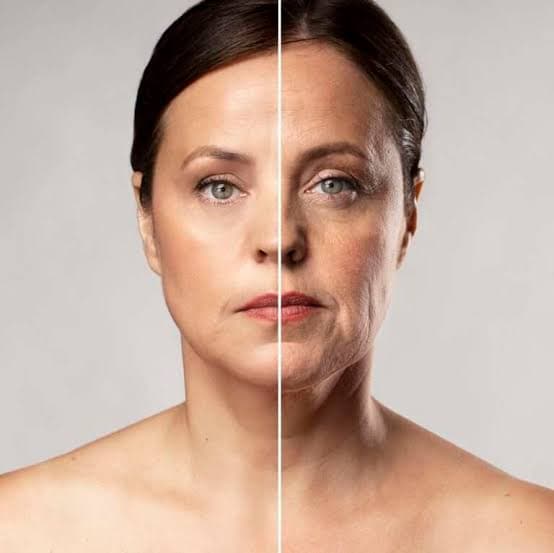
Face Lift
Turn back the clock with a natural-looking face lift that restores youthful contours and tightens sagging skin.

Chin Correction
Sculpt a stronger, more balanced chin profile with genioplasty or chin implants.
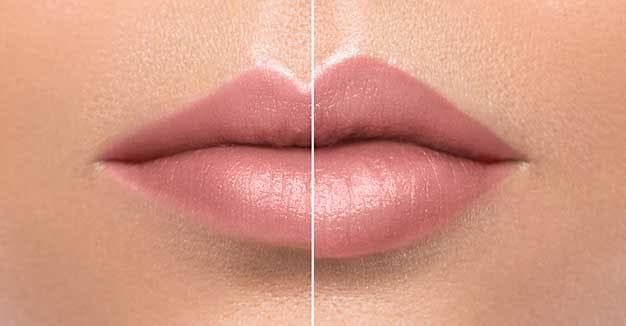
Lip Enhancement / Reduction
Surgical and non-surgical options to increase lip volume, or to reduce lips that feel too full for the face.
Explore More
Browse All Our Services
Dr. Sarika Gangwar offers a comprehensive range of plastic and cosmetic surgery procedures in Haldwani, Uttarakhand.
View All ServicesInterested in Rhinoplasty (Nose Job)?
Book a private, no-obligation consultation with Dr. Sarika Gangwar to discuss your goals and learn what's possible.